The Science Behind NatureLM
NatureLM is a type of deep learning model, specifically a transformer-based architecture. This type of model is well-suited for natural language processing tasks, such as decoding animal communication. The model uses a combination of self-attention mechanisms and feed-forward neural networks to process and analyze the input data.
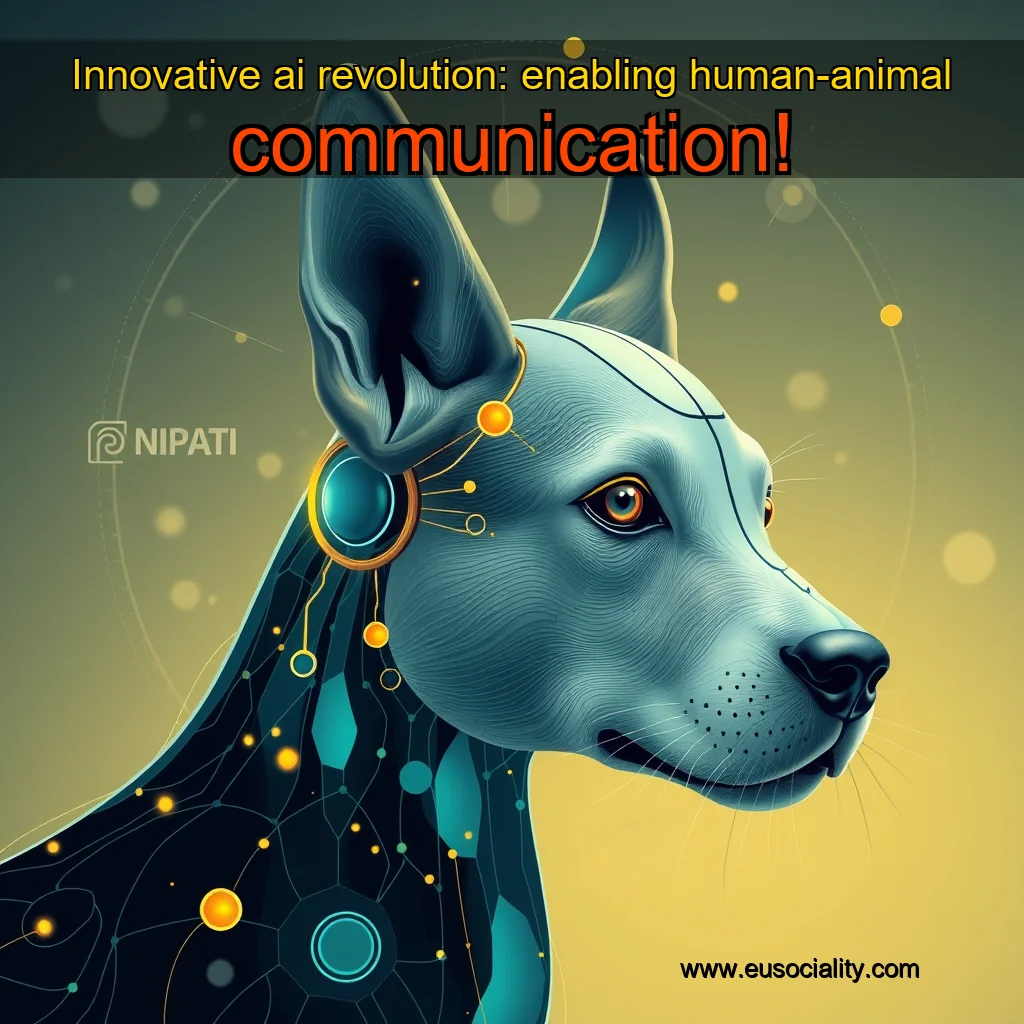
By leveraging AI, the project aims to develop a system that can decode and interpret animal vocalizations, enabling humans to better comprehend their needs and emotions.
The Importance of Reconnecting with Nature
The Earth Species Project’s mission is rooted in the understanding that humans have become increasingly disconnected from the natural world. This disconnection has led to a decline in biodiversity, with many species facing extinction due to human activities such as habitat destruction, pollution, and climate change. The project’s CEO, Katie Zacarian, emphasizes that reconnecting with nature is essential for addressing the biodiversity crisis. Key statistics: + 1 million species are at risk of extinction + 75% of the world’s species are threatened by human activities + 80% of the world’s land is under threat from human activities
The Role of AI in Decoding Animal Communication
The Earth Species Project is leveraging AI to develop a system that can decode and interpret animal vocalizations. This technology has the potential to revolutionize the way humans interact with animals, enabling us to better understand their needs and emotions.
Similarly, Google has developed a tool called Earth Engine, which uses satellite imagery to monitor deforestation and land degradation.
The Rise of AI for Environmental Conservation
The use of artificial intelligence (AI) in environmental conservation is gaining momentum, driven by the pressing need to address the world’s ecological crises. As the effects of climate change, deforestation, and pollution become increasingly evident, innovative solutions are being sought to mitigate these issues. AI, with its ability to analyze vast amounts of data, identify patterns, and make predictions, is being harnessed to tackle some of the most pressing environmental challenges.
Key Applications of AI in Environmental Conservation
The Rise of Animal-Computer Interaction
In recent years, researchers have made significant strides in developing technologies that enable humans to interact with animals in new and innovative ways.