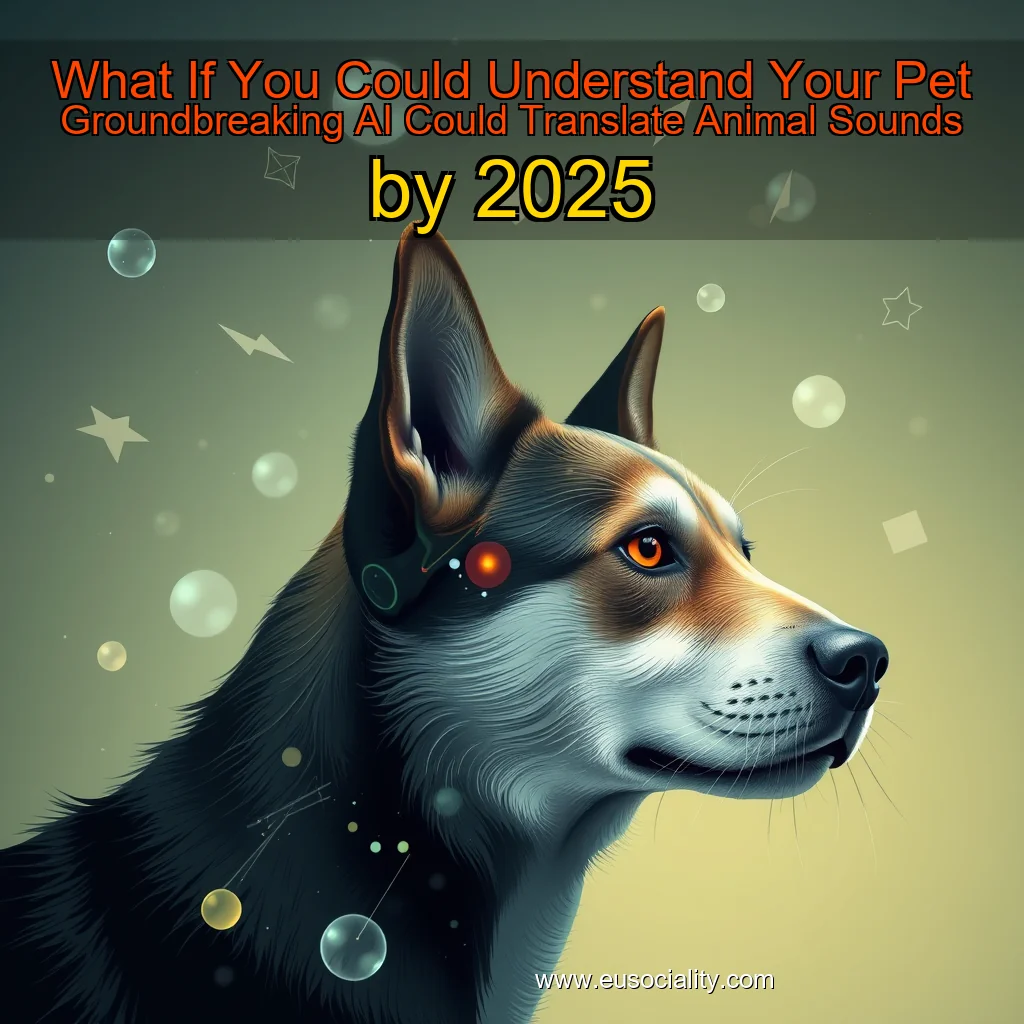
The researchers are using a combination of machine learning algorithms and acoustic analysis to decipher the meaning behind these vocalizations.
Understanding the Complexity of Animal Vocalizations
Animal vocalizations are a complex and multifaceted phenomenon that has long been a subject of study in fields such as biology, psychology, and linguistics. While humans have a relatively straightforward system of language, animals communicate in a wide range of ways, from the clicks of dolphins to the songs of birds. Each species has its unique vocalization patterns, which can convey different types of information such as location, social status, and even emotions. The complexity of animal vocalizations is further complicated by the fact that many species do not possess a centralized nervous system, which is necessary for processing and transmitting complex information.
The Challenges of Studying Animal Vocalizations
Animal vocalizations are a vital component of their communication systems, but deciphering their meaning can be a daunting task. Unlike human language, which has a standardized grammar and syntax, animal vocalizations often lack clear intent or standardized forms. This makes it challenging for researchers to develop effective methods for studying and understanding these vocalizations.
The Complexity of Animal Communication
Animal communication is a complex and multifaceted field that involves the study of various forms of communication, including vocalizations, visual displays, and chemical signals. Each of these forms of communication has its unique characteristics and challenges. For example, vocalizations can be used for contact calls, alarm calls, and even courtship displays. However, the meaning of these vocalizations can vary greatly between species and even within the same species. Species-specific vocalizations: Different species have distinct vocalization patterns, which can be used to identify them. For instance, the song of a Northern Cardinal is unique to that species and can be used to distinguish it from other birds.
The Science of Animal Vocalizations
Animal vocalizations are a vital aspect of their communication, conveying emotions, needs, and intentions. While humans possess a sophisticated language system, animals use a wide range of vocalizations to interact with their environment and each other. Researchers have been studying animal vocalizations for decades, and their findings have shed light on the complexities of animal communication.
Deciphering Animal Vocalizations
Deciphering animal vocalizations is a challenging task, as each species has its unique vocalization patterns. Researchers use various methods to analyze and understand animal vocalizations, including:
However, if misused, it could lead to the exploitation of animals for human entertainment or gain.
Understanding Animal Vocalizations
The ability of humans to decipher animal vocalizations has significant implications for animal welfare and conservation. By recognizing the complex patterns and structures of animal communication, researchers can better understand the needs and behaviors of various species. This knowledge can be used to develop more effective conservation strategies, improve animal welfare, and even inform our understanding of animal cognition.
The Benefits of Deciphering Animal Vocalizations
The Risks of Misusing Animal Vocalization Technology
The potential for misusing animal vocalization technology is a significant concern. If used for human entertainment or gain, this technology could lead to the exploitation of animals for our own benefit. This could take many forms, including:
The Rise of Animal Communication Technology
In recent years, advancements in artificial intelligence and machine learning have enabled the development of sophisticated animal communication systems. These systems use machine learning algorithms to analyze and interpret animal vocalizations, allowing researchers to better understand the complex social behaviors and communication patterns of various species. Key features of these systems include:
- Advanced acoustic analysis: The ability to identify and classify different vocalizations, including their frequency, amplitude, and duration. Machine learning-based classification: The use of machine learning algorithms to classify vocalizations into specific categories, such as alarm calls or contact calls. Real-time interpretation: The ability to interpret vocalizations in real-time, allowing researchers to respond to animal behavior in a more effective and empathetic manner. ## The Potential for Empathy and Understanding
- Improved conservation efforts: By understanding the complex social behaviors of endangered species, researchers can develop more effective conservation strategies. Enhanced animal welfare: By interpreting animal vocalizations, researchers can identify signs of stress or distress, allowing for more effective animal welfare interventions. New insights into animal cognition: By analyzing animal vocalizations, researchers can gain a deeper understanding of animal intelligence and cognitive abilities.
The Potential for Empathy and Understanding
The development of animal communication technology has the potential to revolutionize our understanding of animal behavior and cognition. By decoding animal vocalizations, researchers can gain a deeper insight into the complex social behaviors and communication patterns of various species. Potential benefits of animal communication technology include: