The Impact of Rising Temperatures on Animal Populations
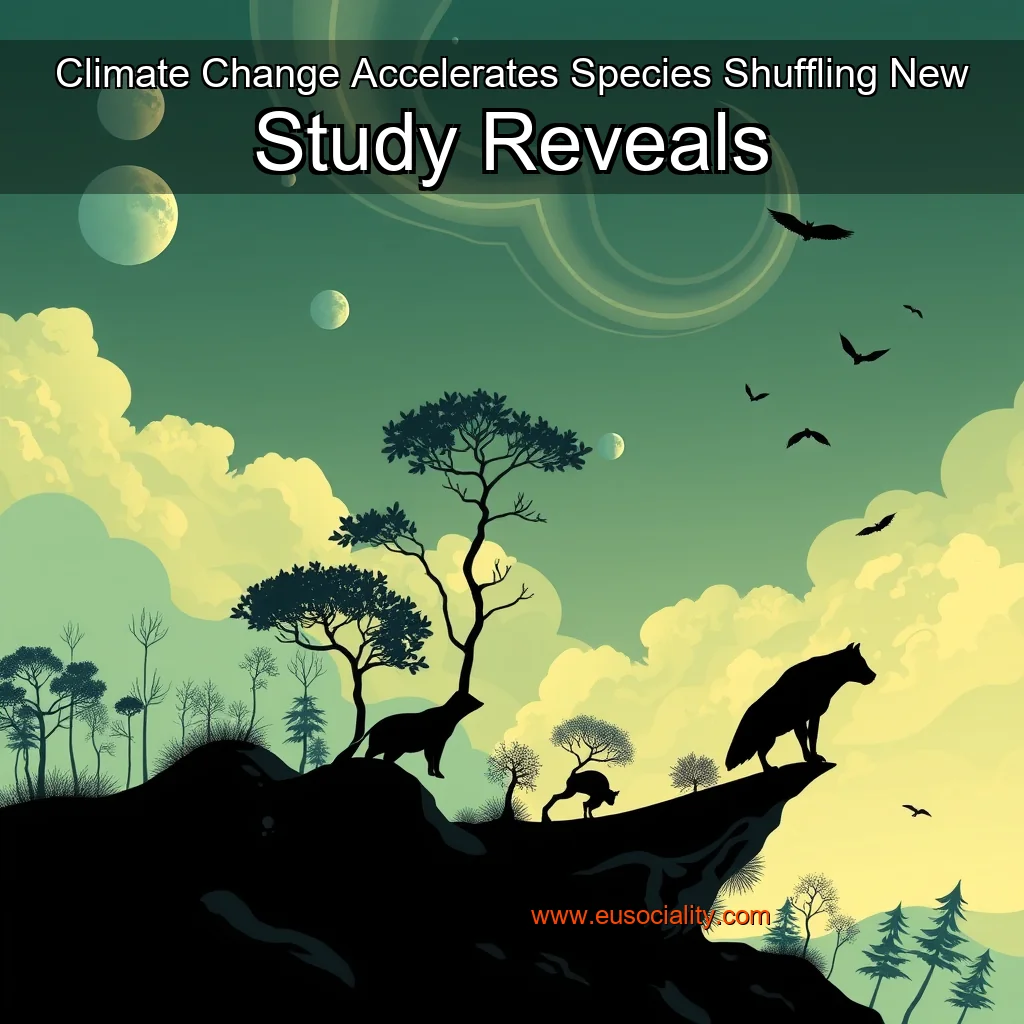
Rising temperatures are having a profound impact on animal populations worldwide. As temperatures continue to rise, the delicate balance of ecosystems is being disrupted, leading to a cascade of effects that can have devastating consequences for many species.
The Role of Behavioral Adaptation
One of the ways in which animals may adapt to rising temperatures is through behavioral changes. For example, some species may alter their activity patterns to avoid the heat of the day, while others may migrate to cooler regions. However, these adaptations may not be enough to prevent the long-term changes that are occurring in animal populations.
Understanding the Impact of Temperature Changes on Terrestrial Ecosystems
The effects of temperature changes on land and freshwater ecosystems have long been a topic of debate among scientists. While marine life has shown remarkable resilience to rising temperatures, terrestrial species have proven to be more vulnerable to the impacts of climate change. This is largely due to the fact that terrestrial species can migrate short distances to find more suitable climates, but this migration is not always sufficient to protect them from the devastating effects of temperature changes.
The Role of Migration in Terrestrial Ecosystems
Preserving ecosystems is crucial for maintaining biodiversity and reducing global warming.
The Importance of Preserving Ecosystems
Ecosystems are complex networks of living organisms and their physical environment. They play a vital role in maintaining the health of our planet and supporting life on Earth.
The Impact of Rapid Temperature Changes on Ecosystems
Rapid temperature changes pose a significant threat to ecosystems worldwide. Rising temperatures can alter the delicate balance of species interactions, leading to a cascade of unintended consequences. The effects of temperature changes can be far-reaching, impacting not only the species that inhabit these ecosystems but also the entire food chain.
Vulnerable Ecosystems
Ecosystems with less habitat diversity are particularly vulnerable to the impacts of rapid temperature changes.
Human activities disrupt ecosystems, leading to biodiversity loss and ecosystem degradation.
The Impact of Human Activities on Ecosystems
Human activities have a profound impact on ecosystems, leading to a decline in biodiversity and ecosystem resilience. The effects of temperature shifts are further exacerbated by human activities such as land use changes, pollution, and the introduction of invasive species.
Land Use Changes
Land use changes, such as deforestation and urbanization, lead to habitat loss and fragmentation.
Research Report:Warming and cooling catalyse widespread temporal turnover in biodiversity

news is a contributor at Eusociality. We are committed to providing well-researched, accurate, and valuable content to our readers.